
In 2020, I started a Russian-language website about TikTok: VerticalVideoPortal.ru. I was a software engineer, but I was fascinated by a consumer product that seemed to understand what people wanted to watch before they knew how to describe it. Rather than write another stream of tips about hashtags, I wanted to understand the technology, business model and culture behind short video.
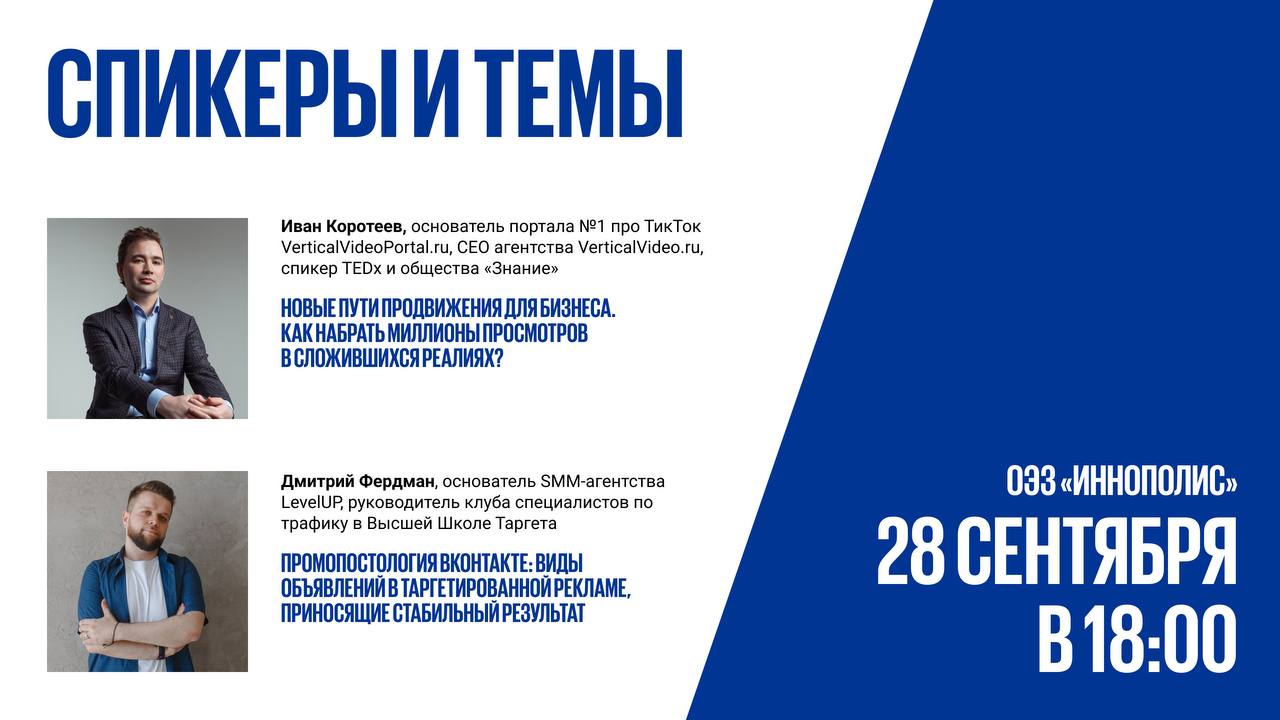
The editorial strategy was simple: find substantial English-language analysis, translate it into Russian, credit the original authors and make those ideas available to readers who might not otherwise encounter them. The portal eventually accumulated 362 published articles, mostly from 2020 to 2022. Looking back in 2026, I see it as an early research project into a much bigger subject: how machines mediate human attention, creativity and commerce.
1. I was interested in the system, not just the app
A dance clip or a meme is easy to notice. The system that finds its audience is less visible. Traditional social networks were organized around people you chose to follow. TikTok demonstrated a different approach: an algorithmic feed could learn from interactions and repeatedly introduce viewers to unfamiliar creators.
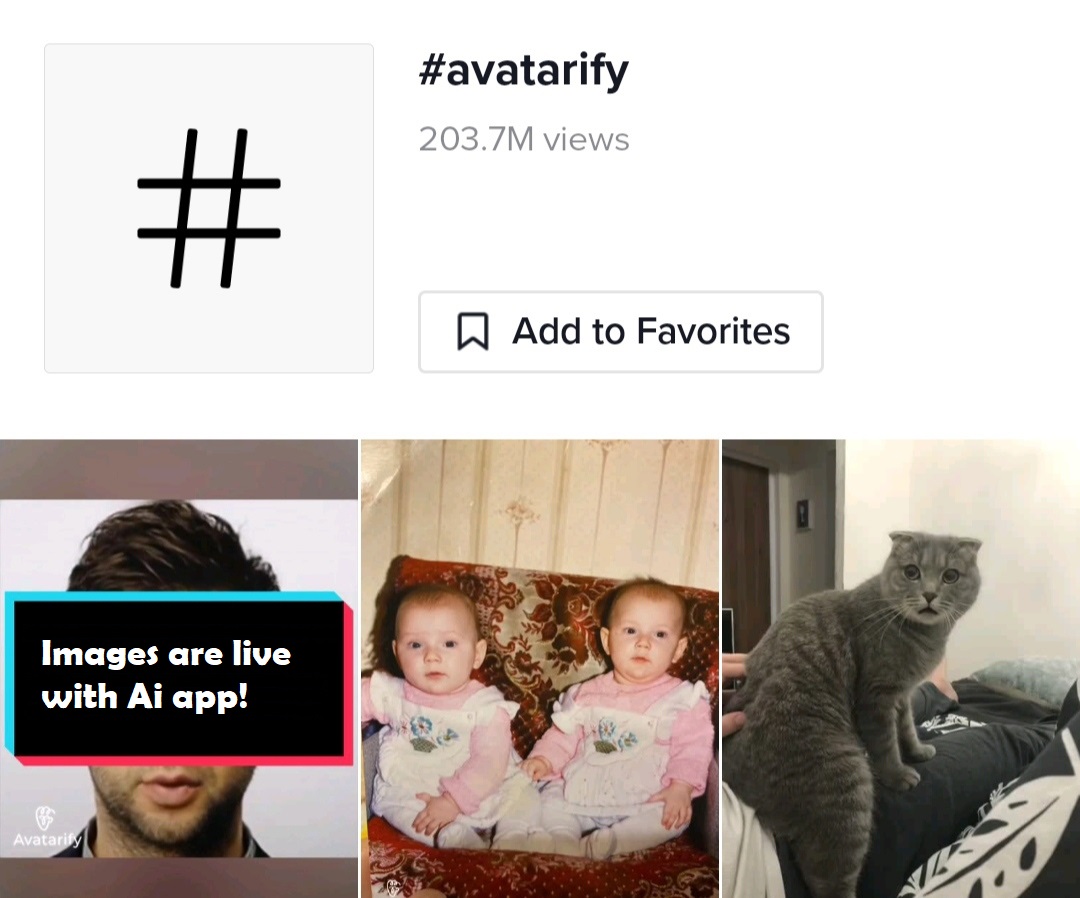
At the time, I translated research such as our archive of TikTok analysis, including a piece on how AI changes platform design and economics. The latter was a Russian translation of Sangeet Paul Choudary’s original analysis. Its questions outlived the news cycle: who decides what gets distributed, what signals count, and who captures the value created by participants?
TikTok’s own explanation of its For You recommendations describes signals such as user interactions, video information and account settings. The precise system is proprietary and changes over time; my interest is in the underlying shift from a social graph to interest-led discovery.
2. Translation was also a way of learning
Translating serious technology reporting forces you to slow down. A vague sentence becomes a problem to solve: what exactly did this author mean by recommendation, platform economics, retention or creator incentives? The vocabulary matters because the mechanisms matter.
The portal covered different kinds of sources: journalism, research essays, company announcements and case studies. I learned to distinguish a marketing claim from a useful business model, and a temporary product feature from a change in how people behave. Not every article in that archive deserves republication today. Much of the news is now history. But the habit of reading across languages and checking first-hand sources remains part of how I work.
3. The creator is not merely a content supplier
In an essay I wrote for the portal, “TikTok is creativity and self-expression”, I argued that short video gives ordinary people a way to show what matters to them—music, jokes, teaching, daily work or a beloved cat. That thought still resonates with me.
I am relatively introverted, yet I became a public speaker and video creator. For me, the camera can be a creative instrument rather than a demand to behave like an extrovert. It lets you prepare, compose, experiment, edit and say something worth sharing. You do not need to turn your personality into a permanent performance.
This is also why my newer work spans artificial intelligence, filmmaking and culture. New tools lower the cost of making things. They do not automatically give us something meaningful to say.
4. China was an essential part of the story
Through the portal, I followed ByteDance, Douyin, Chinese mobile products and the international expansion of TikTok. I was drawn to the interaction between engineering, entrepreneurship and culture: a product born in one technological ecosystem could become a creative language used across many others.
The archive includes a four-part Russian translation of reporting about Zhang Yiming and TikTok’s globalization, originally published through Ginger River. Those stories are useful as historical sources, not as a substitute for verifying what the companies are doing now.
That distinction matters. I don’t want to build an English blog that merely reproduces 2021 predictions in 2026. I want to use the archive as a starting point for fresh questions and original analysis.
5. Three lessons I carried into my AI work
- Distribution is part of the product. A beautifully built tool does little good if it cannot find the people for whom it solves a problem. Algorithms shape that match.
- Metrics are not the same as meaning. Views can indicate attention, but they cannot by themselves tell us whether a video taught someone something, built trust or inspired action.
- Technology must meet human agency. An intelligent system can recommend the next video, workflow or action. People still need the judgment to decide which recommendations serve their goals.
These lessons influence how I think about enterprise AI as well. A successful implementation isn’t simply a clever model. It requires a real task, useful information, a way to evaluate outcomes and a human who remains responsible for the decision.
6. Why I am bringing this history into English
I now publish under Aivan Kor — AI • People • Culture. My English-language work combines engineering, practical AI applications, videos and conversations across cultures. The TikTok portal belongs in that story because it documents a long-standing curiosity: how a technical system becomes something that changes everyday life.
I plan to revisit the strongest articles from the archive—not by reverse-translating the original English authors, but by developing new essays with my own analysis, current evidence and clear links to earlier research. I also want to convert the best ideas into videos on my YouTube channel.
The technology keeps changing. My central question hasn’t: how can machines expand what people are able to create, understand and do—without taking away their authorship?
Archive and reading
- VerticalVideoPortal.ru — my historical Russian-language TikTok portal
- TikTok is creativity and self-expression — my original 2020 essay (Russian)
- Sangeet Paul Choudary: Understanding TikTok — an original English analysis I translated for the portal
- TikTok: How recommendations work — platform explanation
- Do videos! — an earlier English note about creating as an introvert
Editor’s note (2026): This is a new reflection based on my experience building the portal. Linked translated articles are credited to their original authors; this essay is not a republication of those works.