
In 2022 I tried stand-up for the first time. That was also the year I competed in public speaking in Kazan, gave my first paid talk at SOK Innopolis, and did an English-language TEDx talk. If you looked at my calendar, you’d probably think I had a clear plan. What I had was a bunch of different rooms to try.
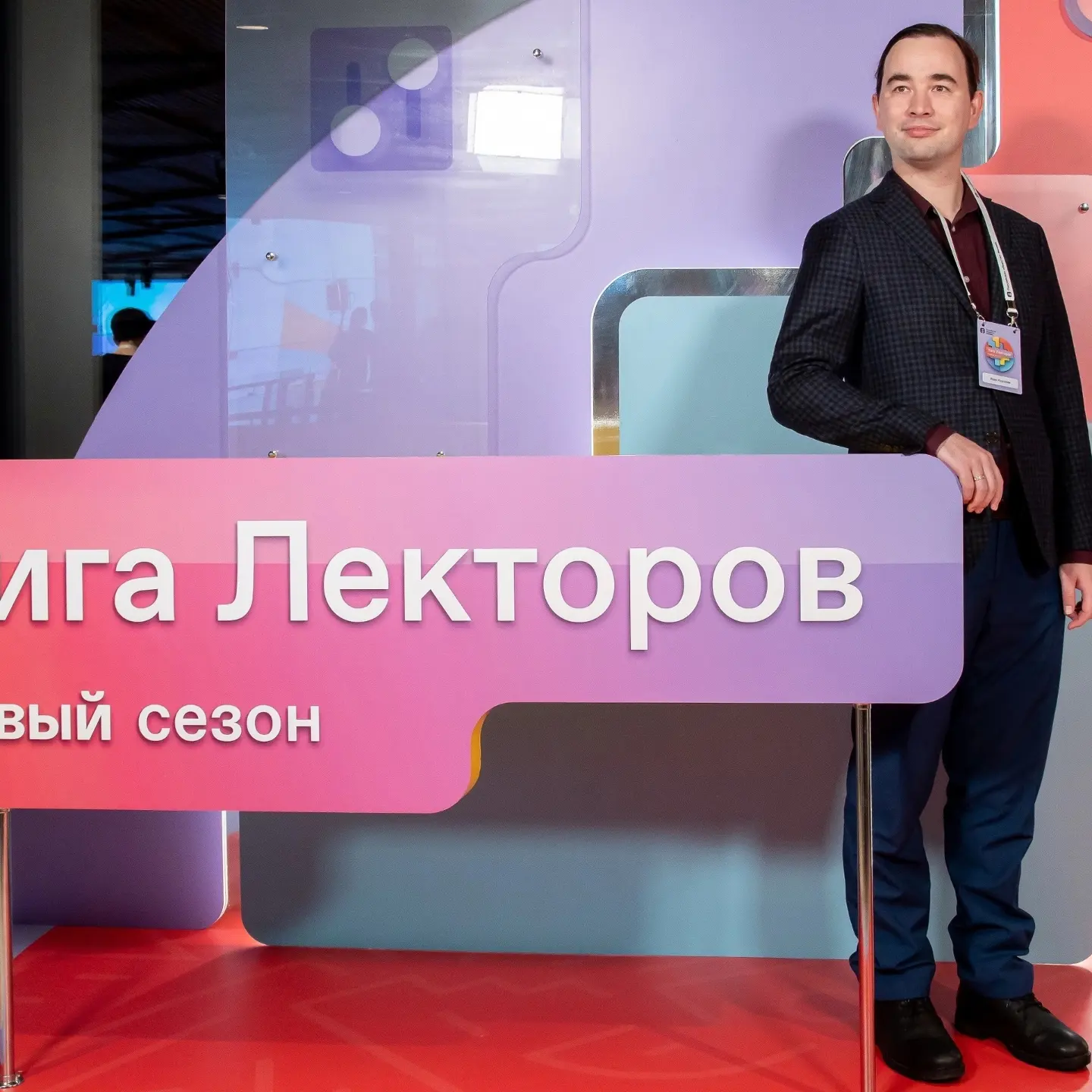
I’d already reached the final of the first League of Lecturers competition in 2021. In 2023 I went back with a talk about neural networks and reached the semifinals of the third season. In between, there was a speaking competition, a workshop with actress Greta Saburova, and a comedy set. Each gave me a different way to see what an audience was doing while I spoke.
What I’d practice in each room
1) In stand-up, I’d work on timing. A joke gives you immediate feedback. Try saying the same line twice, once with a pause and once without it. The words can stay exactly the same and the room can respond differently.
2) In a speaking competition, I’d work on the shape of the talk. Give yourself two minutes and record it. Then play it back and see how long it takes to reach the first sentence you’d actually want a listener to remember.
3) For a paid talk, I’d ask the organizer one thing early. What should people be able to do the next day? That question helps me choose which example deserves five minutes and which one can go.
In 2023 I gave more than 30 public talks on AI. When I think about how to get ready for a talk today, I still like the small experiments. Try a different opening. Leave a pause. Ask someone what example they remember a day later.
I’ve written separately about how I approached TEDx. The timeline for the competitions and talks is on My Russian-language achievements page.
If you had two minutes and a room full of strangers, what would you try first?