
I worked on a creator campaign for Avatarify, an app that animates still photos. The format was easy to understand in a feed. You see a picture, then you see it move. A creator could get to the interesting part before they’d even finished saying the name of the app.
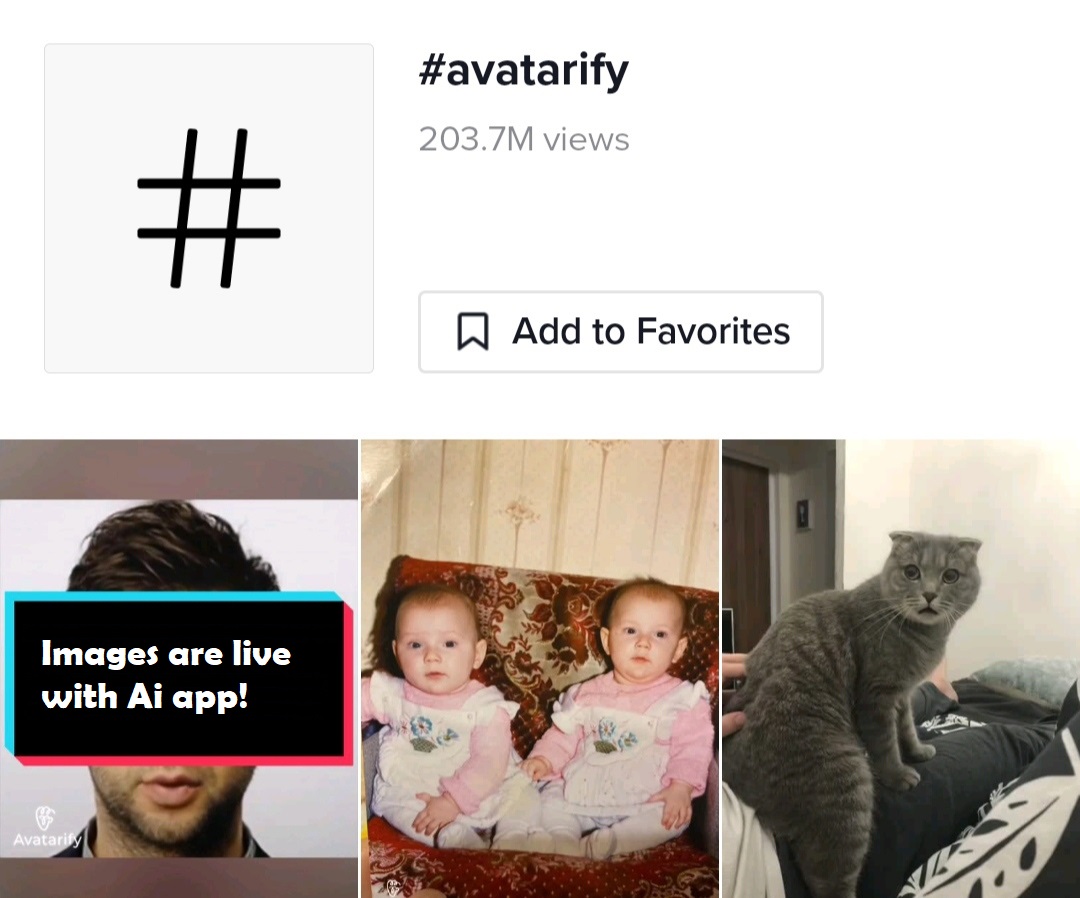
In August 2022, I wrote that the collaborations had generated more than 200 million views and that Avatarify had received more than 32,000 App Store reviews. The view count tells me something about reach. I didn’t publish a breakdown showing how many viewers installed the app or went on to review it. Those are the numbers I’d want alongside the views today.
The demo gives the creator something to do
Think about how you’d explain the app to someone sitting next to you. You’d probably open a picture and show them what happens. That’s a useful starting point for a video brief. I’d give creators that one action and let them pick an image, a setup, and a reaction that belong in their own feed.
If I were doing it now, I’d add one line to the brief. Use a photo you have permission to animate. With an app that changes how someone appears on screen, the choice of photo is part of the creative work.
What I’d measure now
1) Views tell me how far the clip traveled. I’d compare clips that show the result at different points in the first few seconds.
2) A tracked link, where the platform supports it, helps me see which clips sent people to the store.
3) The first completed animation tells me whether people got as far as trying the thing they saw. I’d ask the product team to measure that before the campaign starts.
I published the original numbers in my 2022 article for Intch. For the brief itself, I’ve written more about working with creators beyond follower counts.
If you had five seconds to show what your product does, what would you put on screen?